Sleep Is Building (or Killing) Your Muscle. The Research Is Clear.
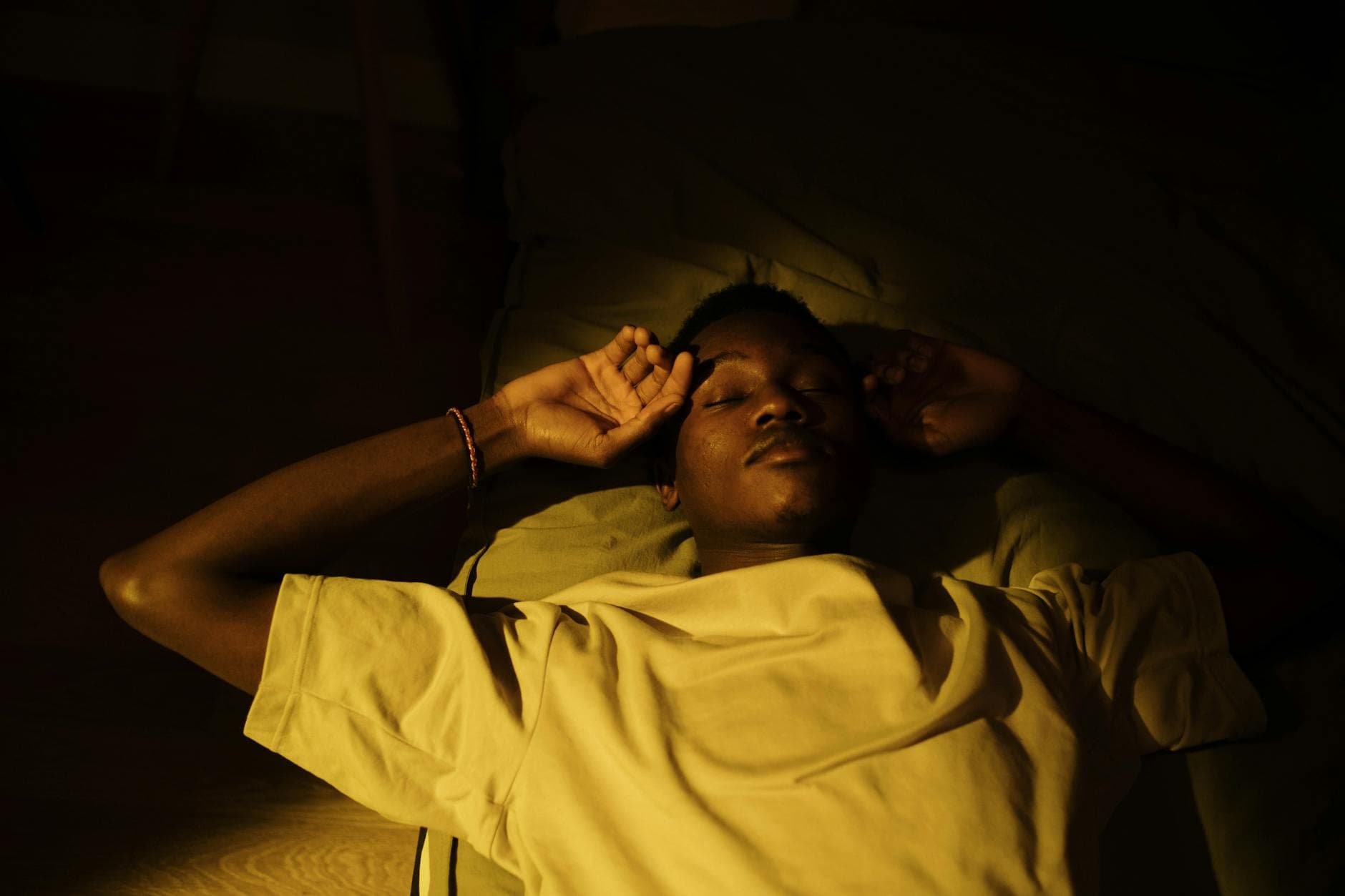
You can have the perfect training program and the perfect diet. If you're sleeping 5 hours a night, you're undermining both of them at the molecular level.
This isn't a "sleep is important" article. You already know sleep is important. This is about the specific mechanisms through which inadequate sleep sabotages muscle growth, and what the research says about the minimum you need to protect your training investment.
What Happens to Your Muscles When You Don't Sleep
A 2021 study (Lamon et al., Physiological Reports) measured the direct impact of acute sleep deprivation on muscle. The numbers aren't subtle.
At the same time:
- Plasma cortisol increased by 21%
- Plasma testosterone decreased by 24%
That's the worst possible combination for muscle growth. Cortisol is catabolic (breaks down tissue). Testosterone is anabolic (builds tissue). Sleep deprivation pushes both in the wrong direction simultaneously.
One Night vs. Chronic: The Difference Matters
Here's where people get confused. A meta-analysis on testosterone and sleep deprivation found that total sleep deprivation (24+ hours awake) significantly reduced testosterone, but a single night of partial sleep loss (getting 4-5 hours instead of 8) didn't always produce a statistically significant testosterone drop on its own.
That sounds reassuring. It isn't.
The problem is accumulation. Three consecutive nights of 3-hour sleep produced significant reductions in bench press, leg press, and deadlift performance. Not a 2-3% dip. Meaningful drops in total work capacity across every lift tested.
And a 2025 comprehensive review confirmed the pattern: chronic sleep deficiency "exacerbates catabolic processes through elevated cortisol levels and decreased testosterone and growth hormone concentrations, thereby limiting protein synthesis and muscle recovery capacity."
The occasional bad night won't destroy your gains. But if you're regularly getting under 6 hours, you're in a chronic state that systematically undermines your training. We broke down the full strength and muscle cost of that state in how bad sleep costs you strength and muscle.
How Much Sleep Do You Actually Need?
The research points to a clear floor.
| Sleep hours | Impact on training |
|---|---|
| Under 6 hours | Elevated injury risk. Reduced strength output. Impaired protein synthesis. Hormonal environment working against you. |
| 6-7 hours | Adequate for maintenance. Not optimal for growth. Better than under 6, but you're leaving results on the table. |
| 7-8 hours | The research-backed target for most adults. Supports full hormonal recovery, protein synthesis, and performance. |
| 8-9 hours | Optimal for heavy training periods. Recovery-intensive phases benefit from the extra time. |
| 9+ hours | Diminishing returns for most people. Athletes in extreme training phases may benefit. |
Seven hours is the floor. Not seven hours in bed scrolling your phone. Seven hours of actual sleep. For most people, that means being in bed for 7.5-8 hours to account for the time it takes to fall asleep and brief awakenings during the night.
Sleep and Injury Risk
This is the part that should concern you most if you're training while sleep-deprived.
Research on athletes found that those sleeping fewer than 6 hours per night had substantially higher injury risk than those getting 9+ hours. The mechanism is straightforward: sleep deprivation impairs reaction time, coordination, and decision-making. Your form gets sloppy. Your stabilizing muscles are slower to fire. That's how shoulders get tweaked and backs get strained.
For a busy professional who can't afford to take weeks off for a preventable injury, protecting sleep is protecting your ability to train at all.
The Practical Problem (and How to Solve It)
You already know you should sleep more. The problem is that your schedule fights you. Early flights. Late dinners. Work stress that follows you to bed. Kids who don't care about your circadian rhythm.
What you can control:
1. Protect your last hour. Screens off, lights dim, room cool (18-20 C). This isn't wellness fluff. Blue light suppresses melatonin production by up to 50%. A dark, cool room is the single highest-ROI sleep intervention.
2. Set a caffeine cutoff. Caffeine has a half-life of 5-6 hours. A coffee at 3 PM means half the caffeine is still in your system at 9 PM. If you train in the afternoon and use pre-workout, check the caffeine content. Most pre-workouts contain 150-400 mg, which is enough to wreck your sleep if taken after 2 PM.
3. Don't sacrifice sleep for training. This is counterintuitive but critical. If your choice is between a 5 AM workout on 5 hours of sleep or sleeping until 6:30 and skipping the gym, sleep wins. The workout you do on adequate sleep Thursday is worth more than the one you grind through on fumes Wednesday.
The research backs this up. The minimum effective dose of training is lower than most people think. Two or three quality sessions on good sleep outperform five sessions on bad sleep. For a practical sleep guide with specific protocols, we cover that separately.
4. Nap strategically. A 20-minute nap between 1-3 PM can partially offset a poor night's sleep without disrupting your ability to fall asleep that evening. Longer naps (60+ minutes) or naps after 3 PM can interfere with nighttime sleep quality.
The Trade-Off Most People Get Wrong
Busy professionals optimize their training programs, their macros, their supplements. Then they sleep 5.5 hours and wonder why progress has stalled.
Sleep isn't a luxury. It's the environment where muscle growth actually happens. Growth hormone is released primarily during slow-wave sleep. Protein synthesis ramps up during rest. The training stimulus you apply in the gym only converts to muscle during recovery, and the majority of that recovery happens while you're asleep.
If you're going to optimize one thing, make it sleep. Not your exercise selection. Not your rep scheme. Not your supplement stack. Sleep.
One night of sleep deprivation reduces muscle protein synthesis by 18% (Lamon et al., 2021). Chronic short sleep drops testosterone, raises cortisol, and impairs recovery across all measures. 7 hours of actual sleep is the research-backed minimum for protecting training adaptations. Athletes sleeping under 6 hours have significantly higher injury risk. Don't sacrifice sleep for training. A workout on 5 hours of sleep is worth less than the extra rest. Caffeine cutoff at 2 PM. Screens off an hour before bed. Cool, dark room. These aren't optional.
The Adaptive Training System accounts for recovery in its session planning. If you check in after a rough night, it adjusts intensity and volume so you're not grinding through a session your body can't recover from.
Your training adapts to your schedule. Shouldn't it adapt to your recovery too? Try the Adaptive Training System free for 14 days.