The 20g Protein Per Meal Limit Was Always Wrong
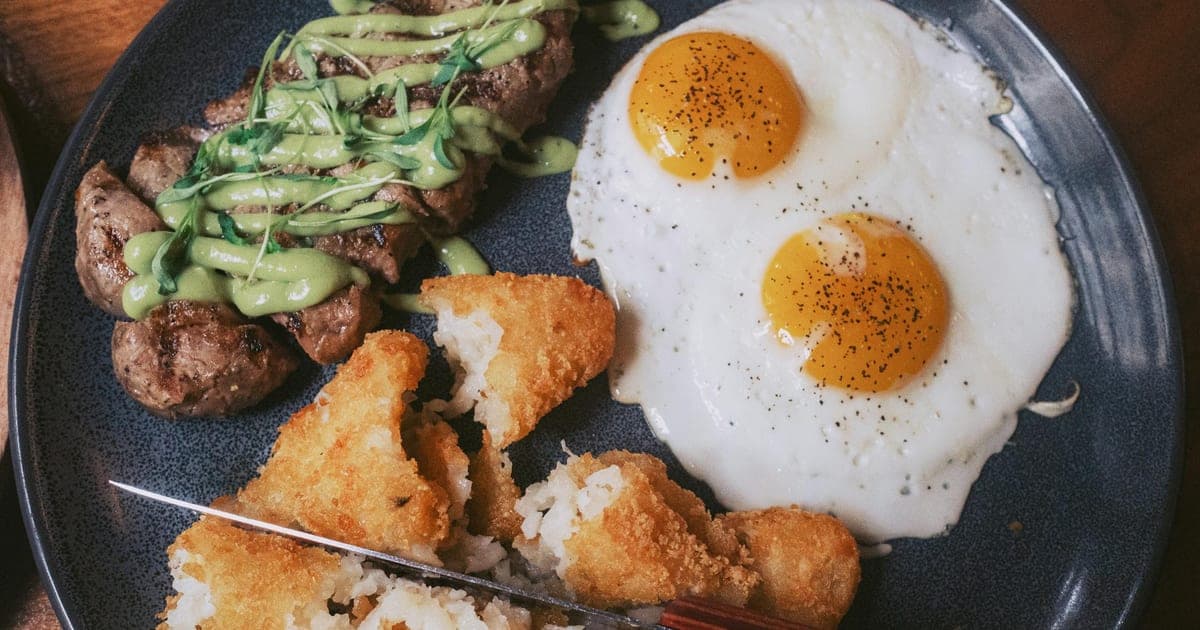
A 2023 RCT gave people 100 grams of protein in a single sitting after a workout. Muscle protein synthesis stayed elevated for over 12 hours. The old 20-gram ceiling was based on studies that stopped measuring too early.
The Short Answer
Your body does not waste large protein doses. It slows digestion and uses amino acids over a longer window. The practical limit per meal is much higher than 20-30 grams, and total daily intake matters more than perfect distribution.
The Study That Broke the 20g Rule
The research that created the 20-gram myth measured muscle protein synthesis for only a few hours after eating. At that timescale, rates plateau around 20-25 grams. But nobody asked what happens if you keep measuring.
Trommelen and colleagues did exactly that in a 2023 trial published in Cell Reports Medicine. They gave 36 participants either 25g or 100g of whey protein after resistance exercise, then tracked the anabolic response for over 12 hours. The 100g dose produced a greater and more prolonged muscle protein synthesis response with no detected upper limit. The amino acids were not oxidized and wasted. The body simply slowed digestion and extended utilization over a longer period.
This was an acute study using whey protein isolate, not whole-food meals eaten over months. It measured protein synthesis rates, not long-term muscle gain. Those are real limitations. Whole-food protein digests differently than isolated whey, and acute synthesis does not guarantee chronic hypertrophy.
But the core finding holds: the body has far more capacity to use protein in a single meal than the 20g myth suggests. The idea that everything above 20 grams gets "wasted" or "turns to fat" is not supported by this data.
Daily Total Matters More Than Per-Meal Distribution
Schoenfeld and Aragon addressed the practical question in a review published in the Journal of the International Society of Sports Nutrition. Instead of asking "what is the max per meal," they focused on daily totals and realistic distribution.
Their recommendation: 0.4 g/kg per meal across a minimum of four meals to reach a daily target of 1.6 g/kg/day. At the upper end, 2.2 g/kg/day spread across four meals works out to about 0.55 g/kg per meal.
For an 80 kg person, that means 32 grams per meal at the low end and 44 grams at the high end across four meals. But most busy professionals do not eat four evenly spaced meals. If you eat three meals instead of four, bumping to 50-60 grams per meal still gets you to the daily target, and the Trommelen data suggests your body can handle that just fine.
The key insight is that worrying about per-meal caps while falling short on daily totals is solving the wrong problem. Hit 1.6 g/kg minimum per day. How you distribute that across meals is secondary.
Age Changes the Per-Meal Math
Moore and colleagues pooled data from 73 participants and found a meaningful age effect. Older adults (around 71 years) needed 0.40 g/kg per meal to plateau muscle protein synthesis, versus 0.24 g/kg for younger men (around 22 years). Older muscle is less sensitive to low protein doses and requires a bigger signal to trigger the same anabolic response.
If you are in your 30s or 40s, you sit between those benchmarks. Aiming for 0.3-0.4 g/kg per meal is a reasonable target. For an 80 kg person, that is 24-32 grams minimum per sitting. Not a ceiling. A floor.
This age effect also means the common advice to "just eat 20g of protein per meal" becomes increasingly wrong as you get older. By your 40s, 20 grams per meal may not even clear the threshold for a meaningful anabolic signal.
How to Hit Your Protein on a Packed Schedule
Stop worrying about eating six small meals. Two or three larger meals work fine if the daily total lands between 1.6 and 2.2 g/kg.
Front-load protein at breakfast if that is your biggest meal window. A three-egg omelet with Greek yogurt on the side hits 40+ grams without much effort. Lunch and dinner can carry the rest with normal-sized portions of meat, fish, or legumes.
If you travel frequently or have unpredictable hours, keep a bag of whey protein as insurance, not as your primary source. A shake bridges the gap on days when airport food or late meetings push your meals off schedule.
Do not overthink timing around workouts either. The Trommelen data showed the anabolic response to a large protein dose lasted over 12 hours. If you eat a solid 40-60g protein meal within a few hours of training on either side, you are covered. The "anabolic window" is more like an anabolic garage door.
About Be Fit and Strong Evidence-based fitness coaching for busy professionals in Dubai. Built by Mirza.
Looking for evidence-based coaching that works around your life? See how online coaching works.